
Podcast available on Apple Podcast, Spotify, and Anchor!
Man ALIVE – did I ever struggle with this one. Turns out when God asks you to share about that one sin you struggle with most, it’s truly the WORST.
I’ve been putting this off and putting this off, and have had this sitting in my drafts crawling slowly to completion for at least 5 months now.
Well, here we are.
A post on pride.
And I’m pretending I’m not super annoyed about it.
I’ve previously mentioned that I get to journey through Bible study, prayer, and friendship with an amazing group of ladies, and recently we read through the classic by C.S. Lewis, Mere Christianity. In it, Lewis devotes a chapter on what he titles, The Great Sin. Let me tell you, referring to pride as the great sin is a bold thing to do, even for C.S. Lewis. But he wasn’t the first to do it. The Scriptures are full of warning against pride, and rightfully so.
In Proverbs 8:13, God says He hates pride and arrogance.
Proverbs 16:5, says the Lord detests all the proud of heart and that they will not go unpunished.
Plenty of the Bible’s “heroes” brought grief upon themselves simply because of their blinding pride.
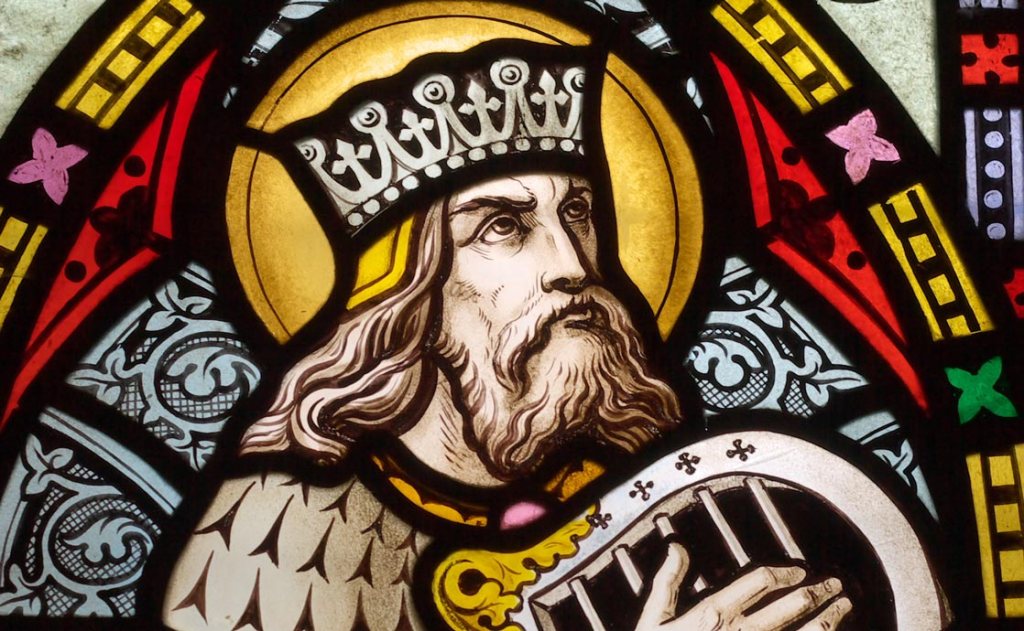
- King David was blinded by his pride and didn’t recognize how awful his selfish acts truly were when he raped another man’s wife and had him killed to cover it up.
- The prophet Jonah was filled with anger over the grace shown a repentant people who had turned back to God.
- The Apostle Paul, originally, Saul, was physically blinded by God in order to reveal to him how spiritually blinded by pride he truly was.

Pride is the one thing that cannot fit in your journey of faith. I believe that God has much patience and grace for so much of our fleshly struggle, but pride? Pride says, I’ll do it my way. I know best. Pride rejects God before He can even begin to do a work in you.
- “For everyone who exalts himself will be humbled, and he who humbles himself will be exalted.”” – Luke 14:11
- “But he gives us more grace. That is why Scripture says: “God opposes the proud but gives grace to the humble.”” – James 4:6
- “All of you, clothe yourselves with humility toward one another, because, ‘God opposes the proud but gives grace to the humble.’” – 1 Peter 5:5
Pride acts a self-imposed barrier between us and God. It parks itself in that space where we should be bowing humbly with open arms ready to receive grace. Instead, pride stands in defiance, with nose upturned and arms crossed, judging anyone who isn’t as clever, attractive, wealthy, charismatic, or gifted. Pride misses the goodness God wants to lavish on His children.
Religion makes us proud of what we have done. The Gospel makes us proud of what Jesus has done.
– Tim Keller
I’m reminded of the story of the prodigal son found in Luke 15. I’ve touched on this parable in a previous POST but at the time, my focus was on the Father in the story. Today, the pride of the eldest son – the dutiful, obedient, prideful son comes to mind.
In Luke 15, the two sons represent the two basic categories every person falls under when approaching God. Try to see where you land.
One son, after trying to make it on his own and wreaking havoc on his life, realizes he cannot save himself and humbly returns to his father, repentant, apologetic, and ready to submit to what he now knows is best for him: to live under the boundaries, but also the favour, of his Father.
The other son, the first born, the one who would have received the double portion of inheritance -follows all the rules and never deviates from what is expected of him.
So when the sinful brother returns and their father responds with lavish grace and celebration, the perfect son is scandalized at this and grows resentful. So resentful in fact, that he rejects the father and His affections.
His pride causes him to believe that his good works warranted not only a reward for his exemplary behaviour, but punishment for his brother’s lousy behaviour as well.

As C.S. Lewis puts it,
Pride gets no pleasure out of having something, only out of having more of it than the next person.
In pride, it isn’t enough that we get to enjoy God’s grace, but pride takes that pleasure to another level where it somehow only feels good to know that others, especially if they’re not like us, do not get to enjoy God’s grace as we do.
It’s heartbreaking to realize that the parable Jesus told does not actually conclude with the prideful brother joining the welcome party. Only that the Father tries to help him see what a joy it is that the lost sheep was found, that the prodigal son had returned.
But there is no mention of how the dutiful son responds. For all we know he simply left. Or he stayed and allowed his crossed arms of pride continue to envelop him tighter into bitterness. I’m betting on the latter. Even though both sons were in need of the Father’s grace and forgiveness.
We can be immoral dead people, or we can be moral dead people. Either way, we’re dead. The mercy of God reaches down and rinses clean not only obviously bad people, but fraudulently good people, both of whom equally stand in need of resurrection.
– Dane C. Ortlund
So you see, (to quote Lewis again) as long as you are proud, you cannot know God. A proud person is always looking down on things and people: and, of course, as long as you are looking down, you cannot see Something that is above you.
We know that it was through pride that the devil became the devil and through pride that every other sin comes about. The belief that we know better than God about what is best for us.
We say that God is love and we assume that the opposite of love is hate. But as David Platt puts it,
The opposite of love is not hate, it’s pride.
And in the end, this what I absolutely love so much about the Philippians 2 passage I shared about in my Easter post. If there’s anyone who had the right to be proud, it was Jesus. And yet, the writer tells us that though He is literally God, He made Himself NOTHING and became obedient to death.
It concludes by telling us that in the end every knee will bow and every mouth will confess that Jesus is Lord.

So my takeaway is this:
God humbles you, or you humble yourself. Either way, you end humbled.
And I know it goes against everything in our prideful, selfish nature to bow the knee and give up lordship of our own lives, but there’s no other way to truly become all we were created for.
He is a force more powerful than we could ever reckon with, and though He comes gently with sacrificial love, He still hates pride. And I just don’t want my stubborn pride to be an obstacle between us. Do you?
I know there’s a lot to work through on one’s faith journey and it can be scary to trust that Someone else knows what’s best for you. But pride lies to us when it tells us that we know best.
You don’t have to give up your intellect to trust the Bible [and God].
– R.C. Sproul
You have to give up your pride.
What’s in the Ears
Does the topic of pride hit close to home for you too? Let me know your thoughts in the comments, send me a message, and share this with a friend too!
Podcast available on Apple Podcast, Spotify, and Anchor!


 From The Overflow