The Obstacle

Podcast available on Apple Podcast, Spotify, and Anchor!

Man ALIVE – did I ever struggle with this one. Turns out when God asks you to share about that one sin you struggle with most, it’s truly the WORST.

I’ve been putting this off and putting this off, and have had this sitting in my drafts crawling slowly to completion for at least 5 months now.

Well, here we are.

A post on pride.

And I’m pretending I’m not super annoyed about it.

I’ve previously mentioned that I get to journey through Bible study, prayer, and friendship with an amazing group of ladies, and recently we read through the classic by C.S. Lewis, Mere Christianity. In it, Lewis devotes a chapter on what he titles, The Great Sin. Let me tell you, referring to pride as the great sin is a bold thing to do, even for C.S. Lewis. But he wasn’t the first to do it. The Scriptures are full of warning against pride, and rightfully so.

In Proverbs 8:13, God says He hates pride and arrogance.

Proverbs 16:5, says the Lord detests all the proud of heart and that they will not go unpunished.

Plenty of the Bible’s “heroes” brought grief upon themselves simply because of their blinding pride.

  • King David was blinded by his pride and didn’t recognize how awful his selfish acts truly were when he raped another man’s wife and had him killed to cover it up.
  • The prophet Jonah was filled with anger over the grace shown a repentant people who had turned back to God.
  • The Apostle Paul, originally, Saul, was physically blinded by God in order to reveal to him how spiritually blinded by pride he truly was.

Pride is the one thing that cannot fit in your journey of faith. I believe that God has much patience and grace for so much of our fleshly struggle, but pride? Pride says, I’ll do it my way. I know best. Pride rejects God before He can even begin to do a work in you.

  • “For everyone who exalts himself will be humbled, and he who humbles himself will be exalted.”” – Luke 14:11
  • “But he gives us more grace. That is why Scripture says: “God opposes the proud but gives grace to the humble.”” – James 4:6
  • “All of you, clothe yourselves with humility toward one another, because, ‘God opposes the proud but gives grace to the humble.’” – 1 Peter 5:5

Pride acts a self-imposed barrier between us and God. It parks itself in that space where we should be bowing humbly with open arms ready to receive grace. Instead, pride stands in defiance, with nose upturned and arms crossed, judging anyone who isn’t as clever, attractive, wealthy, charismatic, or gifted. Pride misses the goodness God wants to lavish on His children.

Religion makes us proud of what we have done. The Gospel makes us proud of what Jesus has done.

– Tim Keller

I’m reminded of the story of the prodigal son found in Luke 15. I’ve touched on this parable in a previous POST but at the time, my focus was on the Father in the story. Today, the pride of the eldest son – the dutiful, obedient, prideful son comes to mind.

In Luke 15, the two sons represent the two basic categories every person falls under when approaching God. Try to see where you land.

One son, after trying to make it on his own and wreaking havoc on his life, realizes he cannot save himself and humbly returns to his father, repentant, apologetic, and ready to submit to what he now knows is best for him: to live under the boundaries, but also the favour, of his Father.

The other son, the first born, the one who would have received the double portion of inheritance -follows all the rules and never deviates from what is expected of him.

So when the sinful brother returns and their father responds with lavish grace and celebration, the perfect son is scandalized at this and grows resentful. So resentful in fact, that he rejects the father and His affections.

His pride causes him to believe that his good works warranted not only a reward for his exemplary behaviour, but punishment for his brother’s lousy behaviour as well.

As C.S. Lewis puts it,

Pride gets no pleasure out of having something, only out of having more of it than the next person.

In pride, it isn’t enough that we get to enjoy God’s grace, but pride takes that pleasure to another level where it somehow only feels good to know that others, especially if they’re not like us, do not get to enjoy God’s grace as we do.

It’s heartbreaking to realize that the parable Jesus told does not actually conclude with the prideful brother joining the welcome party. Only that the Father tries to help him see what a joy it is that the lost sheep was found, that the prodigal son had returned.

But there is no mention of how the dutiful son responds. For all we know he simply left. Or he stayed and allowed his crossed arms of pride continue to envelop him tighter into bitterness. I’m betting on the latter. Even though both sons were in need of the Father’s grace and forgiveness.

We can be immoral dead people, or we can be moral dead people. Either way, we’re dead. The mercy of God reaches down and rinses clean not only obviously bad people, but fraudulently good people, both of whom equally stand in need of resurrection. 

– Dane C. Ortlund

So you see, (to quote Lewis again) as long as you are proud, you cannot know God. A proud person is always looking down on things and people: and, of course, as long as you are looking down, you cannot see Something that is above you.

We know that it was through pride that the devil became the devil and through pride that every other sin comes about. The belief that we know better than God about what is best for us.

We say that God is love and we assume that the opposite of love is hate. But as David Platt puts it,

The opposite of love is not hate, it’s pride.

And in the end, this what I absolutely love so much about the Philippians 2 passage I shared about in my Easter post. If there’s anyone who had the right to be proud, it was Jesus. And yet, the writer tells us that though He is literally God, He made Himself NOTHING and became obedient to death.

It concludes by telling us that in the end every knee will bow and every mouth will confess that Jesus is Lord.

So my takeaway is this:

God humbles you, or you humble yourself. Either way, you end humbled.

And I know it goes against everything in our prideful, selfish nature to bow the knee and give up lordship of our own lives, but there’s no other way to truly become all we were created for.

He is a force more powerful than we could ever reckon with, and though He comes gently with sacrificial love, He still hates pride. And I just don’t want my stubborn pride to be an obstacle between us. Do you?

I know there’s a lot to work through on one’s faith journey and it can be scary to trust that Someone else knows what’s best for you. But pride lies to us when it tells us that we know best.

You don’t have to give up your intellect to trust the Bible [and God].
You have to give up your pride.

– R.C. Sproul

What’s in the Ears

Does the topic of pride hit close to home for you too? Let me know your thoughts in the comments, send me a message, and share this with a friend too!

Podcast available on Apple Podcast, Spotify, and Anchor!

A Lament

Podcast available on Apple Podcast, Spotify, and Anchor!
If you’ve been on this journey with me long enough, you know I love to exposit the Scriptures and share my own findings as God teaches me from His Word.

And though I still do, I’m struggling. Amidst some recent depression over the state of our world and anxiety over changes coming in my future, I feel stuck. So for the first time in the two and a half years since I started this blog, I’m experiencing what the literary greats refer to as: writer’s block.

You see although I still enjoy reading the Scriptures and still learn a lot from studying the Bible, my heart is tired, and my spirit – a little lost. The only way I can think to express what this writer’s block feels like is, lament.

Here’s my working definition of lament:

An expression of heartbreak or grief because something you are experiencing does not line up with what you understand about God.

So, without much else inspiring greatness, I thought we’d explore laments and see where we land.

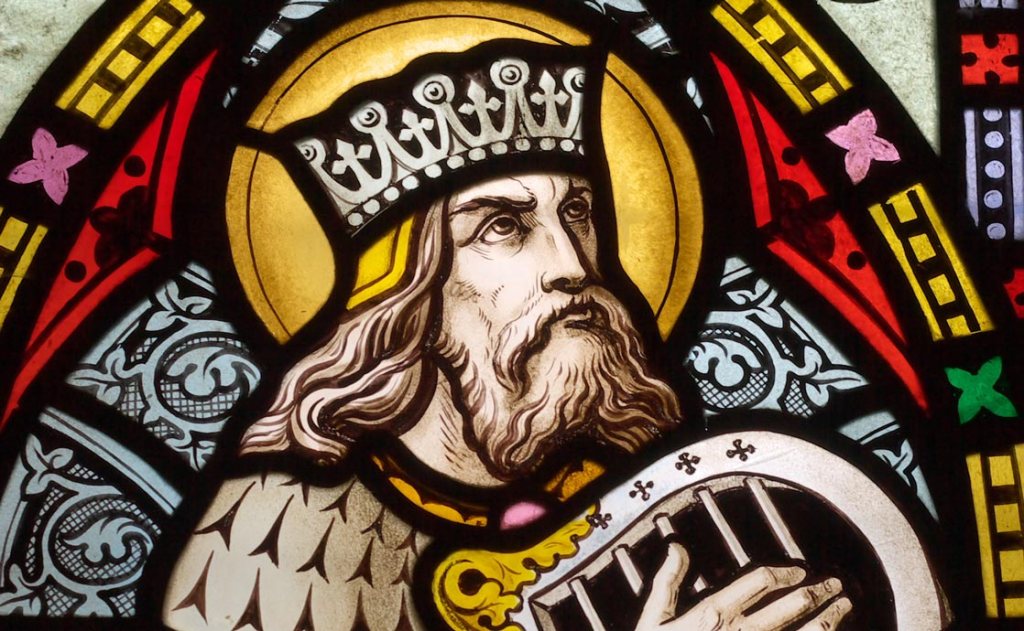
The book of Psalms is full of laments where the psalmists express passionate grief or sorrow over a number of things, such as their own sin, helpless situations, loss, heartbreak, etc.

We might sometimes think of laments as being disrespectful or irreverent towards a holy God. But actually, a lament is the appropriate response to the heartache we live through or the pain we experience.

Paul E. Miller says,

A lament takes seriously the mismatch between God’s promise and some aspect of the brokenness of this world. Instead of suppressing the dissonance between hope and reality, it transforms it into a prayer.

So instead of being afraid to admit the struggle, we direct the pain toward God knowing He is the only one who won’t be crushed by the full spectrum of our emotions, or the full depth of our pain.

We are reminded through the Scriptures that even God laments! In both Ezekiel 33 and Jeremiah 12, God talks about how He laments the destruction of the wicked. It grieves Him to see His people turn away from Him and invite the destruction that their sin has provoked.

So when we join God in lamenting over how evil is having its way in our world and in our lives, we are not responding flippantly to God because of the pain. But aligning ourselves with Him and with His character, recognizing that something is not right and choosing to run to Him, to pour ourselves out to Him, as our response.

Here is one of my favourite examples of a scriptural psalm of lament:

O Lord, rebuke me not in your anger,
    nor discipline me in your wrath.
Be gracious to me, O Lord, for I am languishing;
    heal me, O Lord, for my bones are troubled.
My soul also is greatly troubled.
    But you, O Lord—how long?
Turn, O Lord, deliver my life;
    save me for the sake of your steadfast love.
For in death there is no remembrance of you;
    in Sheol who will give you praise?
I am weary with my moaning;
    every night I flood my bed with tears;
    I drench my couch with my weeping.
My eye wastes away because of grief;
    it grows weak because of all my foes.
Depart from me, all you workers of evil,
    for the Lord has heard the sound of my weeping.
The Lord has heard my plea;
    the Lord accepts my prayer.
10 All my enemies shall be ashamed and greatly troubled;
    they shall turn back and be put to shame in a moment.

– Psalm 6

The psalmist, David, starts by expressing his struggle to God and y’all, it’s dramatic. He goes on about how he’s weary from moaning, flooding his bed with tears, and drenching his couch from weeping. I mean, between my daughter and me and our drama queen vibes, I can recognize big feelings!

But he takes a turn by the end and places his hope in God saying that his enemies will be ashamed and troubled. We know this had not yet happened, and that his circumstances had not yet changed because he talks about this happening in the future.

This tells us that we can be honest about how hard things are, while simultaneously trusting that God will care for us and provide for us. That He will make things right. That He will fulfill His promises and be true to His unchanging character. So the psalmist can still lament while putting His hope in God to come through for Him.

And that’s where I’m at today.

A lot just doesn’t feel right within me. I’m anxious about the future as a 10-year season with babies at home is drawing to a close. My daughter starts school in the fall and I find myself anxious about what the future holds for me.

And without fully understanding why, it’s become a significant source stress.

Even after months of processing the decision, I can’t bring myself to pray about it without speechlessly breaking down in tears before the Lord.

It’s just not like me. And if someone else told me about this struggle, I know I’d have all the right answers and encouraging words to say.

So here’s a little lament for ya…

I’m scared. I’m scared of giving up the things I love in order to work a job I hate.

I’m perplexed at why the things I love to do can’t be lucrative like they seem to be for other people.

I’m angry that despite sacrificing so much for my family and the Kingdom, it doesn’t feel like I’ve got much to show for it.

And that brings me to:

Imposter Syndrome

Imposter syndrome simply means that you believe you are not as competent as others perceive you to be.

That’s a whole other aspect to my experience that we won’t explore here, but it got me thinking about imposter syndrome in a larger, spiritual sense.

Why do we think God won’t work it out? Or that He won’t come through?

We know there are no guarantees, and anything can happen. However, the critical part of a lament is truly believing that God really WILL come through! Despite what our eyes can see and our experiences reveal.

It’s recognizing that we have this hope that anchors our souls, firm and secure (Hebrews 6:19).

It’s more than wishful thinking. It’s more than hoping for the best and planning for the worst. It’s truly knowing that God will work all things out for our good and His glory.

That’s the only place I can really land on today. I’m still brought to tears every time I think about my unknown future. So, I can relate to David when he’s drenching his pillow and drowning in tears.

Yet even as I reflect on that, I’m reminded of another psalm that says,

You keep track of all my sorrows. You have collected all my tears in your bottle.
You have recorded each one in your book.

– Psalm 56:8

So you see, friend, even our tears are not wasted. Even our sorrow is precious in His sight. He keeps a close eye and detailed account of the tears of His faithful ones because He is FOR those who trust in Him.

And when we’re heartbroken, He only draws closer. (Psalm 34:18)

What’s in the Ears

I hope this lament exploration blessed you as much as it has blessed me. Please let me know your thoughts in the comments or send me a message, and share with a friend too!

Podcast available on Apple Podcast, Spotify, and Anchor!

Troubled

Podcast available on Apple Podcast, Spotify, and Anchor!

In the spring of 2015, my husband began to look for work outside of our home province of Quebec.

Since Montreal is a big city with plenty of opportunities, most of our friends and family established their lives in basically the same parts of the city where they grew up. And we thought we would too!

But sensing God’s call to explore opportunities elsewhere, we polished up the resumés and scoped out the Help Wanted sites for hiring youth pastors across the country.

When we put our house on the market (but not the children)

As a sidebar, I also happened to be giving up the six years of seniority I had accrued with my local school board teaching History and English at the secondary level. I was sure I’d teach with that board until retirement. Unfortunately, I was just 30 years shy of that goal.

Turns out the anticipation of moving was really only exciting to me in theory. When it got down to it, my heart was troubled.

Life, as I knew it was about to change forever. Apart from my little family, the solid pillars of my life – work and community – were crumbling around me faster than I could grasp them and bottle them up.

I want to tell you that it was an exciting time. I want to say that we were super pumped and eager for what would come next. And although there were many days when that was certainly true, it was often scary too. And in quiet moments, I was troubled.

Waiting for our flight to Leamington for a week of candidating

I didn’t actually want things to change. I didn’t want to uproot my family. I didn’t want to meet new people. I didn’t want to find a new church. Or make new friends. Or live in a new house, find a new job, or new community.

As much as I love surprises and adventure and exploring, I didn’t want those things at the expense of giving up the good things I already had: a close knit family that lived nearby, lifelong friends who knew me to my core…

It’s just easier to move on when your current reality sucks. But mine didn’t suck! I was happy. And I was in no rush to change a thing.

That’s why I think it’s possible to hold those things in tension: peace about change, yet heartache over loss too.

Fortunately, God knows better and He was already putting the wheels in motion to make those changes in our lives before we even recognized our need for them.

Our first youth group event: baseball practice!

What to do with a troubled heart

I’m reminded of Jesus’ disciples in John 14. Like me, the disciples were blissfully content with the status quo and had no interest in drastic changes that would alter their lives in any way.

So when Jesus warns His disciples that He would be leaving them soon and that they could not follow after Him, they were clearly troubled by the news. So Jesus tells them:

Do not let your hearts be troubled. Believe God!

– John 14:1

What strikes me about this is not so much what Jesus says, but what He doesn’t say. He doesn’t say, Do not let your hearts be troubled…

  • Suck it up!
  • You can do it!
  • It’ll be fine!
  • Believe in yourself!
  • You got this!

When our hearts are troubled. When the future is unknown. When the path is confusing. When the plans are unclear.

Believe God!

Not yourself. Not your strengths. Not your gifting, talent, organizational skills, educational background, charisma, charm, or cash.

Just, God. Believe God about what He says about both Himself, and His promises to you.

The only thing we can trust in a changing world of unknowns, is a God who is unchanging, and who makes Himself known.

Every good thing given and every perfect gift is from above; it comes down from the Father of lights [the Creator and Sustainer of the heavens], in whom there is no variation [no rising or setting] or shadow cast by His turning [for He is perfect and never changes].

– James 1:17 AMP

For ever since the world was created, people have seen the earth and sky. Through everything God made, they can clearly see his invisible qualities—his eternal power and divine nature. So they have no excuse for not knowing God.

– Romans 1:20 NLT

As Jesus told His disciples, the only remedy for a troubled heart is to believe God. I had mentioned this in my Easter post, but it bears repeating because I feel it to my core.

Leaning on anything besides Jesus for meaning or purpose will crush under the weight of our expectations for it to sustain us.

Moving was really hard. But it wasn’t impossible! And it didn’t crush me because I believed God for who He is.

  • He is trustworthy and true (Revelation 21:5)
  • He works all things out for my good (Romans 8:28)
  • His works are wonderful, I know this full well (Psalm 139:14)
  • He sets my feet on solid ground (Psalm 40:2)
  • He goes before me (Deuteronomy 31:8)
  • And He sustains me (Psalm 54:4)
Windsor Airport, after our weekend interview when we knew we had found where God was leading us

Core Strength

When Saul was still king of Israel, he felt so threatened by his successor, David, that he made it his mission to destroy him. 1 Samuel 30 describes a time when David and his men discovered that their city was burned and pillaged, and their wives and children were taken captive. It goes on to say that David’s men wept for their families until they had no more strength to weep. And while we’re being honest, I get it! But not David…

David strengthened himself in the Lord.

– I Samuel 30:6

At some point, we all must decide where we’ll turn and what we’ll do when our hearts are troubled. Do we strengthen ourselves like David did, in the Lord, THE Source of strength? Do we believe God for who He is? Do we believe in His promises?

As the disciple Peter told Jesus in John 6:68,

Lord, to whom would we go? You have the words that give eternal life!

Peter recognized that there really is nowhere else to go in hardship but to Jesus. My prayer is that we’ll all get there too!

Preach to the Choir

One of my favourite Psalms ends with the author literally preaching to himself, and almost nothing could be more relatable. We all do this at some point, don’t we?

Psalm 43:5 NLT says:

Why am I discouraged? Why is my heart so sad? I will put my hope in God! I will praise Him again— my Savior and my God!

Other translations use terms like: depressed, downcast, disturbed, overwrought, disquieted, despaired, disheartened, gloomy, dejected, restless, and of course… troubled.

It’s ok to feel these things! God knows all about our brokenness and the broken world that causes pain. He created us. And He created our emotions and feelings too.

But it doesn’t mean He wants us to stay there. Sometimes, we have to do like the psalmist, and preach to ourselves. Put my hope in God! Believe God! Trust God! I will praise Him again… this troubled season won’t last forever.

Exploring the lake the day after after moved

To quote Shakespeare:

All’s Well, That Ends Well

Not to keep anyone guessing, but we did settle nicely into our new life and I wouldn’t change a thing. Not because I haven’t had a troubled heart here too, but because I believe God. And I only want to be where He planned for me. Where else would I go? He has the words of eternal life.

What’s in the Ears

Join the conversation! Comment below, send me a message, and even share this with a friend!

Podcast available on Apple Podcast, Spotify, and Anchor!

Highs and Lows

Podcast available on Apple Podcasts, Spotify, and Anchor!

Why do bad things happen to good people?

It’s a tired question with no real answer. But one we all struggle with, to some extent. It feels inherently wrong for things to go sour in the lives of people who seem to deserve better. And frankly, we often believe we ARE those people. Especially in cases where we’ve turned a corner, learnt a lesson, made things right, or paid our dues.

The Highs

You may be familiar with the story in Genesis of Jacob wrestling with God. It takes place 20 years after Jacob fled from his brother as a fugitive. During those 20 years Jacob, manipulated his circumstances whenever possible for his own benefit. Jacob was a deceiver. That is the literal meaning of his name, Deceiver. He was selfish and self-seeking, and did all he could to ensure he ended up on top.

Well, on the eve of being reunited with his brother, Jacob is scared. He is no longer a lone wolf travelling on his own, but the husband of too many wives, the father to lots of children, and the entrepreneur of a thriving livestock business. Needless to say, he had a lot more to lose if things went south between him and his brother, Esau.

In fear of facing Esau in the morning, Jacob settles everyone for the night and he finds himself face to face with God instead. As a man who will win at any cost, Jacob is determined to win this wrestling match with this supernatural being, only to discover that losing to God can be a good thing!

His life is spared, He is given a new name, Israel, which means struggles with God, and he’s given a limp because God injured his hip socket. Jacob calls the place Peniel, which means face of God – for He saw the face of God, and lived.

For someone who was so fearful about facing his brother, Jacob was humbled and renewed by facing God instead, and was therefore able to face his brother, Esau, too.

It’s an incredible story. And I’m not doing it justice by paraphrasing it, so I encourage you to read it for yourself in Genesis 32. I don’t intend to keep us in suspense, so suffice it to say that the family reunion went off without a hitch.

Jacob and Esau greeted each other with brotherly love, tears of joy, and a warm embrace. They were both gracious, generous, and humble. A beautiful story of restoration, if there ever was one.

The Lows

Unfortunately, this isn’t where I wanted to land today. I wish it was. I wish we could always end on a high — leaping from one mountaintop to the next. But that’s not life. And sadly, many of us Christians think that it should be, simply because we follow Jesus.

Instead, we’re turning the page in Genesis. The next chapter is a horrific story within the sensitive topic of rape. So please consider this your disclaimer.

I had discovered the tragic story of Jacob’s daughter, Dinah, many years ago. But it was only recently that I realized its proximity to Jacob’s wrestling match and family reunion.

To me, this is extremely significant.

So, after things go well between Jacob and Esau, Jacob pitches his tent and sets up an altar, calling it, El Elohe Israel, meaning: Mighty is the God of Israel.

This seems like a no-brainer. It’s the kind of moment that warrants an altar or monument or tattoo with the phrase Mighty is the God of Israel. Heck, I’d slap that on my skin too if God did all that in my life!

Can you picture it? You have this incredible encounter with God. Perhaps you even have a specific, personal experience you can draw on here! A heavily spiritual moment that changed you and changed your relationship with God. Maybe you felt like a whole new person, with a whole new name and outlook on life. You finally KNEW God, not just knew about Him, and now riding the high of that mountaintop experience.

But it didn’t stop there. Maybe you then received the answer to a huge prayer. Perhaps a physical healing, or like Jacob, a restored relationship with a loved one that was previously fractured.

Unfortunately, as we read on, we discover that mountaintops are not immune to gravity, or to the gravity of hardship. Sometimes we tumble down, down, down.

For Jacob, the low came in the form of a man violating his daughter, Dinah. Genesis 34 is a standalone chapter in the story of Jacob where his daughter heads into town to make acquaintances with the women of their new home. Dinah is noticed by the son of the ruler of the area, and he rapes her.

In response, two of Dinah’s brothers, Simeon and Levi, acted on the philosophy that two wrongs do in fact make a right, and proceed to attack the unsuspecting city, killing every male.

The whole story is just one horrific event after another, and you can probably guess why Genesis 34 doesn’t usually make the cut for children’s Bibles.

Should I rise or should I fall, You were faithful through it all

What was hard for me to come to terms with in all this, is that after Jacob finally got his act together… After he finally quit depending on his own wits and scheming to get his way. After he finally knew God in a personal way, and not secondhand from his parents. After he finally submitted in humility to what God was doing in his life. After he came to a place of peace and restored relationship with Esau.

After all this… shouldn’t Jacob continue living in the Lord’s favour?
Hadn’t he learnt all the important life lessons and was ready to follow God in blessing?
Hadn’t he earned some time on the mountaintop?

Instead, tragedy befalls his family quicker than it took us to turn the tissue paper pages of his story. His vulnerable daughter is violated. And the vengeance taken by his two sons, brings even more harm to Jacob’s family as a result.

It’s just not the unfolding story any of us would ever hope for. But it’s life.

Here are some takeaways from this:

  • Choosing to follow God doesn’t mean endless mountaintop moments.
  • Choosing to follow God doesn’t mean we are shielded from the effects of a broken world
  • Choosing to follow God doesn’t mean our children are spared from hardship.
  • Choosing to follow God doesn’t mean our children will make the right choices either.

In the end, it really is about our choice. Do we choose God? Even in the lows?

He is always, ALWAYS faithful to us and chooses us. But each of us has to decide if He is worth it. It can be scary to acknowledge that the things we might fear will happen to us or our loved ones, very well may happen anyway.

I would have fully expected that Jacob’s life would have gone swimmingly after he finally encountered God in that wrestling match. Dinah’s tragedy proves this wasn’t the case for Jacob. But, He still chose God.

Do we still choose God in the highs AND in the lows?

What’s in the Ears

My favourite line of this song is: Should I rise or should I fall, You were faithful through it all. And He is. He really is faithful through all of it.

I don’t love the heaviness of this topic, but I wouldn’t be doing us any favours by pretending hardship is automatically lifted just because we follow Jesus. Do you have any thoughts on this? Please let me know in the comments or send me a message. And don’t forget to share with a friend!

Podcast available on Apple Podcasts, Spotify, and Anchor!

Lived, Not Told

Podcast version available on Apple Podcasts, Spotify, and Anchor!

Some things are hard to understand without experiencing them for yourself.

Have you ever been on the trip of a lifetime and taken in the most breathtaking scenery? Even trying to capture it with a camera doesn’t do it justice. In the end, you throw up your arms and say,

“You really just have to experience it for yourself.”

Or maybe as a foodie, your taste buds have finally basked in the glory of that long sought after pasta carbonara, tender filet mignon, flaky pastry, or full-bodied wine. You try to string together the most perfectly descriptive adjectives to explain the complexity of flavours – but in the end you throw up your arms and say,

“You really just have to experience it for yourself.”

Whether it be…
travel
food
falling in love
or becoming a parent for the first time…

We’ve all lived through things that cannot be adequately described without being experienced firsthand.

No matter how hard we try to explain it, some things just have to be lived, not told.

Unfortunately, so many of us end up missing out on the FULL LIFE Jesus promises because we only go by whatever we’ve heard, and we stop there.

Perhaps all you know of Jesus is secondhand accounts of the experiences of others. So you’re left trying to sort through what you actually believe.

Maybe you’ve been told,

“You really just have to experience Him for yourself.”

In Luke 7, we read about how Jesus’ ministry is really gaining traction. People are flocking to Him for healing and teaching, and He’s causing quite a stir.

So much so, that John the Baptist, the last of the messengers from God to announce the coming Saviour, gets word of it while he’s in prison. After trying to sort it all out for themselves, John and his followers don’t know what to make of Jesus. Like most Jewish people at the time, they were expecting an overthrow of the Roman government and a messiah who would reestablish the throne of their ancestors.

Jesus didn’t seem to show signs of any of this. So John sends his followers to ask Jesus directly,

Are you the Messiah we’ve been expecting, or should we keep looking for someone else?

– Luke 7:19

Jesus’ response captures the heart of what I hope to get across here:

Go back to John and tell him what you have seen and heard—the blind see, the lame walk, those with leprosy are cured, the deaf hear, the dead are raised to life, and the Good News is being preached to the poor.

– Luke 7:22-23

Ok, notice what Jesus doesn’t do.
Jesus does not:

  • Debate with them about what the coming Messiah would look like
  • Pull out His ancient scrolls to show them where they were misinterpreting the Scriptures
  • Try to intellectually convince them to believe His words
  • Scare them into following Him by pointing out their flaws, sins, or doubts

In fact, as I really sat with this passage, I realized that Jesus doesn’t really say much at all. And He didn’t seem overly concerned with what they would do with His response to their question either.

He basically says, The proof is in the pudding. Look around and see for yourself. People are experiencing God’s transformative power. Lives are being changed. Draw your own conclusions.

For Jesus, it was never about using the right words to convince people to follow Him.

He knows we must experience Him in order to live the full lives He created us for.

So maybe you’re already there mentally or intellectually, but something is still missing, and you’ve yet to encounter Jesus in a way that can only be experienced.

To you I say… get to know Jesus by finding out about yourself!

Here’s what I mean: we were all created differently and therefore wired to connect with God differently. So experiencing Him is really about finding the ways that He created YOU to most easily and effortlessly find and connect with Him. It’ll be a little different for everyone.

In the Sermon on the Mount, Jesus makes a comparison between the good gifts we give to our children, and the good gifts God the Father lavishes on those who ask Him.

For some context, He isn’t talking about material possessions or financial prosperity, but about a relationship! We know how to give good things to our children, even as broken and flawed people. So how much more does our Father in Heaven, through Jesus, One who is the full embodiment of grace, mercy, love, and compassion, want to give good gifts to us when we ask Him?

Friends, my point is this: He does not make it hard to find Him! Jeremiah 29:14 has the Lord literally saying, I will be found by you! So consider how this may be easiest for you, specifically.

When someone throws up their arms and says,

“You really just have to experience Him for yourself.”

This is not an exhaustive list, but if you gravitate towards:

  • Community
    Matthew 18:20 tells us that when two or three are gathered together, God promises to be among them. So gather with others who are pursuing God and want to experience Him! To actually live Him, not just be told about Him. This could be a Bible study, or simply connecting with another who walks with Jesus and wants to experience Him too.
  • Creation
    Romans 1:20 tells us that since the world was created, people have seen the earth and sky. Through everything God made, they can clearly see His invisible qualities—His eternal power and divine nature. So they have no excuse for not knowing God. This means that if you find yourself drawn to nature and sense His presence there – go do that! Experience God there!
  • Intellectual
    Psalm 1:2 talks about taking literal DELIGHT in God’s Word and meditating on it day and night. So if you experience God most easily through Bible study, podcasts, sermons, commentaries, and articles, then do that! I have no doubt He will reveal Himself to you as you continue to delight in Him there.
  • Music
    Psalm 98 starts by telling us to sing to the Lord a new song, for He has done marvellous things, then goes on about using musical instruments to make music to the Lord. We are created as musical beings – certainly some more than others! But if that’s how you experience God, then do that!
  • Prayer
    Philippians 4:6-7 tells us to pray about everything. To tell God what you need, and thank Him for all He has done. Then you will experience God’s peace, which exceeds anything we can understand. His peace will guard your hearts and minds as you live in Christ Jesus. Time in prayer can be a powerful way to experience God.

The Two Waters

There’s a beautiful analogy that compares salvation to a tall glass of thirst-quenching water. When you come to faith in Jesus, your deepest hunger and thirst are satisfied in Him, just like a refreshing glass of water satisfies on a hot summer day.

But to really know God in a way that can only be experienced, is like sitting by the seashore and having a mighty wave wash over you, enveloping you and covering every last part of your being. It’s life-altering, and can’t be understood without being experienced. It has to be lived, not told.

What’s in the Ears

The last few months have been pretty reflective for me in a melancholy way. This song is indicative of this and really beautiful. Enjoy it!

Have you experienced Jesus beyond your initial salvation as I’ve tried to describe here? Which of the ways listed do you gravitate towards most? Let me know in the comments or send me a message!

Podcast version available on Apple Podcasts, Spotify, and Anchor!

Mindset

Podcast available on Apple Podcast, Spotify, and Anchor!

Happy Easter to all! It is a GOOD, Good Friday. If you checked out my post on Lent, you know I invited us to try memorizing a portion of Philippians chapter 2 together!

Seeing as the passage has been on repeat and repeat and repeat for the past 40 days, I just HAD to dedicate my Easter post/episode to the Hymn of Christ – as it’s known.

I got so much out of studying it over Lent and I can’t wait to dive in together.

In your relationships with one another, have the same mindset as Christ Jesus:
Who, being in very nature God,
    did not consider equality with God something to be used to His own advantage;
rather, He made himself nothing
    by taking the very nature of a servant,
    being made in human likeness.
And being found in appearance as a man,
    He humbled himself
    by becoming obedient to death—
        even death on a cross!
Therefore God exalted Him to the highest place
    and gave Him the name that is above every name,
10 that at the name of Jesus every knee should bow,
    in heaven and on earth and under the earth,
11 and every tongue acknowledge that Jesus Christ is Lord,
    to the glory of God the Father.

– Philippians 2:5-11

One of my favourite things about about these few verses is that the sum of them actually represent the life of Jesus broken down into five sections.

1. Pre-Existence

Who, being in very nature God,
did not consider equality with God something to be used to His own advantage;

This verse points to the eternal nature of Jesus. He is not a created being or inferior to God. He is in very nature God. This means that any immutable (unchanging) attributes of God are also ascribed fully, not partially, to Jesus as well. In Jesus, are God’s omniscience (all-knowing), omnipotence (all-powerful), omnibenevolence (all-good), omnipresence (all-present), and eternal (all-existing) qualities.

Ok but, so what? Why does any of this matter? It matters because of what we see unfold in the next verses. Let’s go to the next chapter of the story.

2. Incarnation

rather, He made himself nothing
by taking the very nature of a servant,
being made in human likeness.
And being found in appearance as a man,

This picture of Jesus gives us such a stark contrast to the Jesus we read about in verse 6. Jesus, being equal to God, before anything existed, actually left His throne and made Himself NOTHING. He didn’t come to earth as a mighty ruler or powerful religious leader; but poor, obscure, and vulnerable. So that we could actually relate to Him.

We don’t have to wonder what God’s love, mercy, grace, forgiveness, patience, and ultimately, His sacrifice might look like in our tangible world. Because of the Incarnation, all these qualities were fully manifest in the life of Jesus. So if you want to know how to live, what to prioritize, how to treat people, how to pray, how to love, and how to forgive, just look at Jesus.

3. Crucifixion

He humbled himself
by becoming obedient to death—
even death on a cross!

The more closely I draw near to Jesus, or more like, the more closely He draws me to Himself! – the more moved I am by His sacrifice. Because of Jesus, those who believe in Him will NEVER feel the level of pain, humiliation, or rejection that He experienced on our behalf.

His death meant that sin and death were conquered forever. So when He cried out on the cross, my God, my God, why have you abandoned me (Matt. 27:46), it’s because it was the first time since pre-existence and beyond, that He was not connected to God the Father.

God turned His back on Jesus and allowed the full wrath of God to fall on Him, destroying sin and death forever. Jesus was completely alone in those moments. Not just abandoned by His loved ones, but rejected by God so our sin would be defeated in the death of Jesus.

4. Resurrection

Therefore God exalted Him to the highest place
 and gave Him the name that is above every name,

Jesus’ resurrection is the tangible proof that sin and death were actually defeated on the cross. Jesus said in John 10:18, No one can take my life from me. I sacrifice it voluntarily. For I have the authority to lay it down when I want to and also to take it up again. For this is what my Father has commanded. His resurrection power is then available to anyone who calls upon His name.

5. Ascension

10 that at the name of Jesus every knee should bow,
in heaven and on earth and under the earth,
11 and every tongue acknowledge that Jesus Christ is Lord, 
to the glory of God the Father.

Jesus ascending to heaven means that we’re not simply saved from our sin as a result of the crucifixion, and then left to fend for ourselves. His ascension means two critical things:

  1. Jesus intercedes for us. Hebrews 7:25 says that Jesus lives forever to intercede with God on behalf of those who come to God through Him.
  2. The Holy Spirit was sent to help us. In John 14:16, Jesus says that He would ask the Father, and He will give you another Helper, to be with you forever. That’s the Holy Spirit

In His ascension, Jesus was restored to the full glory of God. And one day, everyone will know it too! Because on that day, every knee will bow and everyone tongue will confess that Jesus Christ is Lord.

Bonus

In your relationships with one another, have the same mindset as Christ Jesus

You may have noticed that as we went through the Hymn of Christ, we skipped the beginning, where we are invited to actually adopt this posture in our own lives. Paul doesn’t go through Jesus’ whole biography for the purpose of growing our intellect, as great as that is. We are encouraged to actually live that way ourselves!

So whatever status, reputation, education, corporate position, fame, skillset, or dollar signs in the bank account, none of us begin at the same level of glory as Jesus, who in pre-existence, was equal to God the Father Himself.

This means by default, whatever level of humility we may think we’ve stooped to for the sake of others, it is nothing compared to that which Jesus subjected Himself, by being made in human likeness, becoming obedient to death on a cross.

So this Easter, let’s not just be intentional about appreciating the sacrifice that bought our salvation, but let’s look for ways to manifest the sacrifice, humility, and love that Jesus modelled for us.

Moreover, we must press into the resurrection power of Jesus. For anything else we might lean on for strength or meaning is an idol that will crush under the weight of our expectations for it.

The Apostle Paul says this in the Message translation,

I gave up all that inferior stuff so I could know Christ personally, experience His resurrection power, be a partner in His suffering, and go all the way with Him to death itself. If there was any way to get in on the resurrection from the dead, I wanted to do it.

– Philippians 3:10 MSG

Where does this land for you? Do you also recognize the eternal implications and benefits of having the same mindset of Christ Jesus? I hope so! Because I can personally vouch for the fact that there is no peace, hope, joy, goodness, or power apart from Him.

What’s in the Ears

Let me know your thoughts in the comments or send me a message! Happy Easter, friends!

Podcast available on Apple Podcast, Spotify, and Anchor!

God is [not] Safe

Podcast version available on Apple Podcasts, Spotify, and Anchor!

When I was growing up, my parents introduced my brothers and me to The Chronicles of Narnia. I remember us piled on their bed while Dad read to us from these classic books of fantastical adventure. He took the time to explain the deeper connections the author, C.S Lewis, was making between the enchanted world in the woods to Jesus, to humanity, and to God’s character.

There’s a line from the series’ most popular book, The Lion, The Witch, and The Wardrobe, that is meant to make a definitive statement about God Himself, and truth be told, I never understood it.

In the context of the story, the four children are asking a wise, older couple (who happen to be talking beavers, but that’s neither here nor there!) about Aslan, the Lion, the hero of the story. The children ask Mr and Mrs Beaver if Aslan is safe.

Mr Beaver responds:

Safe? Who said anything about safe? ‘Course He isn’t safe. But He’s good. He’s the King.

– C. S. Lewis; The Lion, The Witch, and The Wardrobe

For all the affection I had for the world C.S. Lewis created in the enchanted woods of wintry Narnia, that line was so puzzling to me.

For one, I knew enough to know that the mighty Aslan represented God in these stories. So how could God not be safe? On top of that, if we’re saying He isn’t safe, then ‘good’ couldn’t possibly be the alternative! I could think of a dozen adjectives that were far better than ‘good’. Good was lame. Good seemed so boring to me. Good was the answer to questions you couldn’t be bothered with, like:

How was school?
-Good.

How’s dinner?
– Good.

How was the doctor’s appointment
– Good.

How’d you sleep?
– Good.

How are you?
– Good.

I mean, no thank you! A God that’s just ‘good’ doesn’t seem worth my time. Much less my surrender and sacrifice.

If He’s not safe, then give me powerful! Give me amazing! Give me brilliant! Or compelling! Or omniscient! Or really any other omni-word that applies to Him alone. I’ll take it. But good? Good is lacking. C.S. Lewis could have done better there.

Unless… unless we explore what God’s goodness really means in light of His holiness.

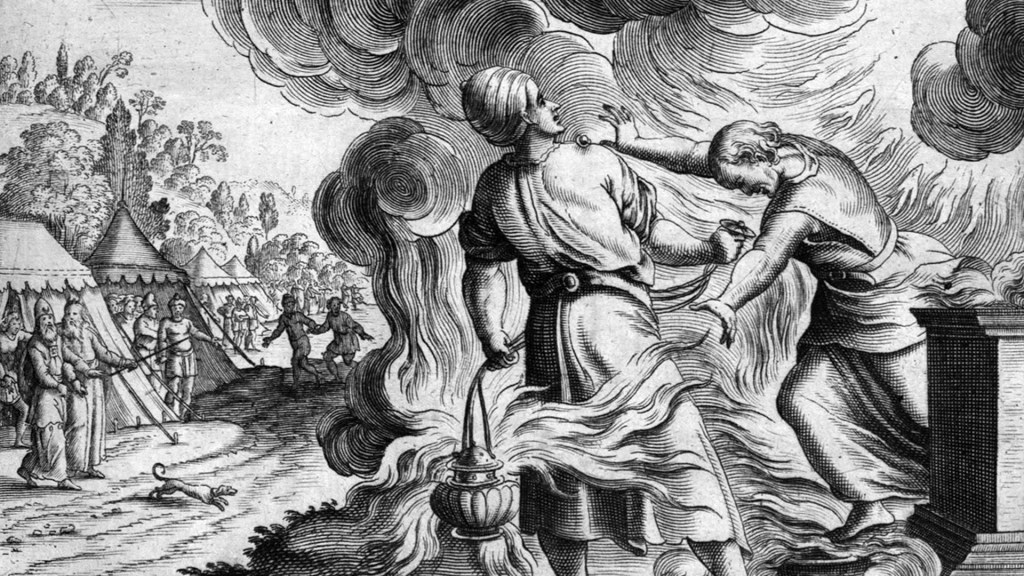
God’s holiness means that He cannot be in the presence of sin. We’re shown this clearly in Leviticus 10, when the sons of Aaron the priest offered unauthorized fire before the Lord, contrary to His command. They had no regard for the parameters God had established in order to provide a way for His people to actually draw near to Him safely. As a result, fire came out from the presence of the Lord and consumed them, and they died on the spot.

Another example is in 2 Samuel 6, when King David was having the Ark of the Covenant brought back to Jerusalem in a long processional celebration. While on their way, the oxen carrying the Ark slipped, and it started to topple over. In that moment, a man named Uzzah, who was guiding the Ark, reached out to steady it. The Scriptures say that the Lord’s anger burned against Uzzah because of his irreverent act. God struck him down, and he died right there beside the Ark of God.

One more example, and it’s a beautiful one

Thankfully, it’s not so shockingly traumatic, so stay with me!

In Exodus 33, Moses is having it out with God. God tells Moses that the Israelites could continue on to the Promised Land, but that He wouldn’t be going with them because they were a stiff-necked people and He might just destroy them on the way.

This means, that for their protection, God is saying that in their sinful state, they are not safe in His Holy Presence. But Moses pleads with God, and tells Him that he doesn’t want God’s blessings without God Himself.

That’s because Moses recognized what so many people – Christians included! – do not: what even is blessing apart from God?

Moses said it this way,

If Your Presence does not go with us, do not send us up from here. 16 How will anyone know that you are pleased with me and with your people unless You go with us? What else will distinguish me and Your people from all the other people on the face of the earth?

Exodus 33:15-16

Moses recognized what can easily be missed. There is no goodness apart from God. There is no blessing, prosperity, peace, or flourishing without Him.

In response to Moses’ plea, God relents and agrees to go with them to the Promised Land. But not before Moses makes another bold request of God.

Moses asks God,

“Show me Your glory”

God tells Moses that no one can see the Lord and live. But God does arrange for Moses to see His back as His glory passes by him. God actually calls it His goodness!

He says to Moses,

I will cause all My goodness to pass in front of you, and I will proclaim My Name, the Lord, in your presence. I will have mercy on whom I will have mercy, and I will have compassion on whom I will have compassion.

– Exodus 33:19

A beautiful story, right? But does this mean He is safe? The point of all these stories is this: God is holy. God is a consuming fire. When we get too close, we are not safe. He is too holy for a sinful people to survive His presence.

BUT! He is good. And in His goodness, He made a way for us to draw near to Him without being completely destroyed by His very Presence.

And that’s Jesus.

Through Jesus, we can draw near to God in good times, in bad, in strife, in pain, in sin, in suffering, in all our mess.

Isaiah 53:3 talks about how in Jesus’ death, He became so acquainted with sin and pain, more intimate with them than any human ever could. So that He could conquer them on our behalf. His resurrection is proof that sin and death were defeated. This means we could now draw near to God in our own pain.

Is He safe? ‘Course He isn’t safe. But He’s good. He’s the King.

  • So even when the struggles of life rage on around us, we can draw close to God, through Jesus who made that possible.
  • Even when we’ve soiled our hands with the dirtiest of sin, we can draw close to God, because He is good.

Seeing God’s greatness is not our deepest need, but seeing His goodness.

– Dane C. Ortlund

What really draws us to God is not the flashy miracle or mighty acts – as spectacular as they are.

His greatness isn’t what draws us. It’s His goodness! The fact that we can draw near to Him in our pain. It’s the beauty of knowing that even in His holiness, He draws near to us in our struggle.

Is there greater comfort than that?

As Moses asked of God,

How will anyone know that we belong to You, if You do not go with us?

– Exodus 33:16

Taste and see that the Lord is good. Blessed are those who take refuge in Him.

– Psalm 34:8

Do YOU want real blessing? You can find it by taking refuge in God through the storms of life or even because of the consequences of your own sin. Taste and see how good He is through it all. Just by choosing to be in His presence.

What’s in the Ears

Y’all, this song. I’ve loved it for years and then forgot about it. But it hit my radar again recently and it’s just so good. Enjoy!

Has this helped you to see how good our God really is? Let me know in the comments or send me a message!

Podcast version available on Apple Podcasts, Spotify, and Anchor!

Lent Remix

Podcast version available on Apple Podcasts, Spotify, and Anchor!

Let’s talk Lent. For many, it’s about cutting sugar, coffee, or Instagram. It’s about drinks on Mardi Gras and trying real hard to feel real bad about all that cussing that can’t seem to be stopped.

For me, the disciplines of fasting and Lent were not prominent parts of my faith tradition growing up.

I had only ever fasted as part of the 30 Hour Famine as a teenager, and admittedly, I cheated every time. As for Lent, I engaged in the traditions in my recent past, and did not find it particularly meaningful. Probably because my heart just wasn’t in it.

Leading up to this season of Lent, it has occurred to me that God is not a god of subtraction, reduction, decrease, or want in general.

In the Amplified translation of John 10:10, Jesus says:

The thief comes only in order to steal and kill and destroy. I came that they may have and enjoy life, and have it in abundance [to the full, till it overflows].

And this led me to an epiphany…

Lent isn’t only about what you give up through self-denial and sacrifice.

Lent is also about intentionally inviting more of God into your life as you prepare to celebrate Jesus’ death and resurrection at the end of the Lenten period, culminating with Easter.

Disclaimer: If the Holy Spirit is nudging you to give up something for Lent, I promise, you won’t get much out of Lent by disobeying that call. Doing what God asks of you is ALWAYS the right thing to do.

The prophet Samuel reminds us:

What pleases the Lord more? Burnt offerings and sacrifices, or obeying the Lord? It is better to obey than to offer a sacrifice. It is better to do what He says than to offer the fat of rams.

– 1 Samuel 15:22

With this in mind, I’ve prayerfully decided to do a Lent-in-Reverse. Rather than give something up for Lent, I will add something instead. Because although giving up something for Lent is a good thing, it’s meaningless if you’re not intentionally putting the things of God in their place.

And I invite you to join me as the Lord leads you!

What has been impressed on my heart is to memorizing Scripture.

Here’s some background on how I got here:

I’ve been especially struck by the humility of Jesus. In the Gospels, Jesus is repeatedly confronted by religious leaders who felt threatened by Him and I’m inspired by how He either keeps His cool when responding, or simply doesn’t respond at all.

Furthermore, I am so moved by the description of Jesus in Philippians 2. Paul talks about our mindsets reflecting that of Jesus’ obedience and humility as He prepared to be crucified.

Humble obedience is hugely lacking in our world today – whether you profess the name of Jesus or not! The bottom line is that we want to do what we want to do and pride isn’t going to let anyone tell us differently.

Jesus wasn’t like that. And I want to be more like Him.

Therefore, for the 40 day Lent period, I plan to carve out time to memorize Philippians 2:1-18.

If this interests you, will you join me?

Here’s some inspo to pump us up!

I adopted this phrase from podcast host, Annie F. Downs, who says:

More than I want food, I want You [God].

– Annie F. Downs

The idea is to give something up in order to get more of God. So when I’m fasting and feeling sluggish or tempted to break my fast, I pray that aloud…

More than I want food, I want You.

When I’m in a disagreement, or when my children are non-compliant, or when I feel misunderstood, I pray aloud…
More than I want to be right, I want You.

When I’m tempted to spend money on something frivolous, I remind myself to pray aloud…
More than I want to blow my money on this, I want You.

Similarly, when it’s easier to vegg in front of the TV or scroll on my phone during Lent, I hope that I will recognize and pray aloud…
More than I want to numb my brain, I want You.

The ultimate goal is to gaze upwards

Another way I would describe this Lent-in-Reverse is to gaze up, rather than down. When we look down towards our own sin, shame, and all the things we may struggle to give up whilst fasting, we can feel deflated, irritable, or morose.

Simply put, we’re focusing on the wrong thing.

And although there is a place for this as we reflect and repent, it is especially meaningful and impactful to gaze upwards at Jesus. Focus on His sacrifice, His holiness, His mercy, grace, forgiveness, love, and compassion. Be overwhelmed by Him!

So as we meditate to the point of memorizing Scripture, my hope is that this discipline will cause us to more fully appreciate Jesus’ sacrifice and the salvation He bought for us on the cross.

Maybe, just maybe, Easter will be more profound, more awe-inspiring, and more gratitude-provoking after 40 days of more of Him.

We’ll close with Philippians 2:1-18 in the NIV.

Therefore if you have any encouragement from being united with Christ, if any comfort from His love, if any common sharing in the Spirit, if any tenderness and compassion, then make my joy complete by being like-minded, having the same love, being one in spirit and of one mind. Do nothing out of selfish ambition or vain conceit. Rather, in humility value others above yourselves, not looking to your own interests but each of you to the interests of the others.
In your relationships with one another, have the same mindset as Christ Jesus:
Who, being in very nature God, did not consider equality with God something to be used to His own advantage;
rather, He made Himself nothing by taking the very nature of a servant, being made in human likeness.
And being found in appearance as a man, He humbled himself by becoming obedient to death– even death on a cross!
Therefore God exalted Him to the highest place and gave Him the name that is above every name,
10 that at the name of Jesus every knee should bow, in heaven and on earth and under the earth,
11 and every tongue acknowledge that Jesus Christ is Lord, to the glory of God the Father.
12 Therefore, my dear friends, as you have always obeyed—not only in my presence, but now much more in my absence—continue to work out your salvation with fear and trembling, 13 for it is God who works in you to will and to act in order to fulfill His good purpose.
14 Do everything without grumbling or arguing, 15 so that you may become blameless and pure, “children of God without fault in a warped and crooked generation.” Then you will shine among them like stars in the sky 16 as you hold firmly to the Word of Life. And then I will be able to boast on the day of Christ that I did not run or labor in vain. 17 But even if I am being poured out like a drink offering on the sacrifice and service coming from your faith, I am glad and rejoice with all of you. 18 So you too should be glad and rejoice with me.

What’s in the Ears

So, are you with me?! If you prefer to memorize a smaller portion of the passage or a different passage altogether, feel free! Memorizing together is so fun and I’d love to know if you decide to join me – so send me a message or comment here if you do!

Podcast version available on Apple Podcasts, Spotify, and Anchor!

Triggered

Podcast version available on Apple Podcasts, Spotify, and Anchor!

I hadn’t planned to share this. I actually have several posts written, edited, and ready to go that’ll bring us all the way to Easter!

But… life is life.

It’s unpredictable and messy, and I figured, honesty really is the best policy.

A month after Covid-19 forced us into lockdown, I wrote a blog post about how things were going for our family. You can read it HERE. To this day, it’s one of my most popular posts and I can guess why. Looking back, it feels surreal. Life already felt hard and drastically different, but I was PUMPED. I took it all in stride and our family did pretty well despite life shutting down around us.

Fast forward a couple of years and I’m realizing it’s taken a toll. I find myself triggered by lots of things that seem to fall into either one of two categories.

Exhibit A: Trigger

Trigger 1: Internal

  • Preparing daily meals
  • Managing the home
  • Overstimulation of my children’s play, fights, noise, and overall needs
  • Being far from family and doing it all myself

Trigger 2: External

  • Increased divisiveness and tribalism
  • Polarizing politics
  • Winter
  • Covid, all things Covid
Exhibit B: Winter Trigger

I guess it finally hit me. I reached a breaking point. The best way I can think to describe it is triggered. Everything is a trigger. My body keeps reacting physically to what it’s processing mentally.

I’ll look out the window, notice snow on my driveway, and start to hyperventilate. I’ll read a Facebook status about mandates, skim the comments, and burst out crying. My kids will ask me a question about weekend plans and I feel my chest heavy and tightening and I can’t catch a breath.

The truth is, I’m grieved. The external triggers I mentioned fill me with sadness. Mostly because of how broken our world has become. Like when loved ones are not speaking to each other because of differing worldviews. Or when people choose to no longer engage with church in person because the mandates go against their personal convictions. All of it overwhelms me with grief.

Important Disclaimer:

I don’t agree with everything the government has mandated, but I am aware enough to know that the position I’ve come to and the conclusions I’ve drawn are not shared by everyone. I understand that we all see things differently and feel things differently and we’re all triggered by different things too.

I wish we could all still find a way to come together anyway. It’s the fractured relationships that overwhelm me with grief.

Like that line that says: a mother can only be as happy as her saddest child.

Oh hey! Just me hangin’ on by a thread! 😉

Sometimes, I feel that way. I miss what we had, and know in many ways it’ll never be the same. And it’s not that I want to go back, because I am convinced that many changes have been for the good. This trying time has revealed a lot. But the numbers don’t lie. Mental health issues are at an all-time high and people are struggling to keep it together.

I just wish people were more gracious. More compassionate and understanding.

I’ve had to ask myself, how could I possibly be right about everything? If we were honest with ourselves, and willing to recognize that we couldn’t possibly be right all the time, or that our preferred political party couldn’t possibly be getting it right every time, then maybe, just maybe, we could actually find a middle ground.

I digress… the fact is that trying to carry on like all is normal within such abnormal context is unsustainable.

I think it could be done for a short period of time, maybe a few weeks, or even a month, but two years? Impossible. We’re really starting to see the cracks.

So what’s the solution?

It feels embarrassing and terrifying to admit, but maybe it’ll help someone who’s going through this too.

To be honest, I have found it hard to pray. Tears come too easily these days, and I just don’t have the mental energy for it. I fear that if I give in to the tears, I’ll never stop and just drown in them. So, it’s been a lot of stuffing down and being strong and brave and positive and hopeful.

Before you @ me, I know… I know this isn’t healthy, and I promise I’m working through it.

But the Scriptures help! And here’s why:

  • The God I meet in the Bible is unchanging
    While I change, God doesn’t.
    While my husband changes, God doesn’t.
    While my kids change, God doesn’t.
    While the governing powers change, God doesn’t.
    While mandates change, God doesn’t.
    While people change, God doesn’t.

Every good gift and every perfect gift is from above, coming down from the Father of lights, with whom there is no variation or shadow due to change.

– James 1:17

Let me ask it this way:

  • Don’t we all want something solid to stand on in these times?
  • Something that can hold the weight of us?
  • Something that won’t give way under us and cause us to stumble?
  • Something that won’t crumble under the weight of our mental burdens?

God is that. God can do that. God doesn’t change. God can handle our messy.

So I do a lot of that – reading the Scriptures. The Psalms are comforting. The Proverbs are instructive. Lamentations is relatable, and Jesus is the best, especially in John’s Gospel.

Basically, the Scriptures are full of moment after moment of God waiting for His people and drawing them back to Himself. In the gospel of Luke, Jesus is mourning over Jerusalem not long before His arrest, and says this:

“O Jerusalem, Jerusalem, the city that kills the prophets and stones God’s messengers! How often I have wanted to gather your children together as a hen protects her chicks beneath her wings, but you wouldn’t let Me.

– Luke 13:34

There have been many moments over the last two years when I’ve sensed God saying the same thing to His people. How He longs to be near us in hard times but we don’t go to Him. We numb with social media, we gravitate to the same echo chamber of voices that repeat the same narrative we ascribe to, and we push out the voices that trigger us. And sometimes that voice may be God’s.

We feel too angry to go to Him. Too hurt to be held by His tender embrace. Too wounded to go to Him for healing. Too scared to be honest about what we really feel.

It’s stupid, is what it is. But it’s human too. And people have been rejecting God’s healing touch long before the day Jesus mourned over Jerusalem.

Remember Adam and Eve? Do you remember the first thing they did after the disobeyed God and ate the forbidden fruit?

They hid. They tried to hide from an omniscient God. As if He didn’t know where they were. As if He didn’t already know what they did. And we do this too.

Obviously, you’re not coming here to find out how it all ends. And though I wish I had some answers, I’m just here being honest. Looking for friendship, community, solidarity, and love. And if you are too, I hope you find it here! But mostly, I hope you find what you’re looking for in Jesus. Because I can say with confidence that even in these heavy, dark, triggering days…

He is my refuge and strength, a constant help in troubling times

– Psalm 46:1 (my edits)

What’s in the Ears

I have found “traditional” worship music difficult to listen to in the past month or two. My heart can’t seem to take it. So I’ve gravitated to more serene tunes and the lyrics of this song have basically been my anthem. I hope you enjoy it!

Friend, tell me about your heart in this season? Does any of this resonate? Let me know in the comments, send me a DM, and share with a friend too!

Podcast version available on Apple Podcasts, Spotify, and Anchor!

Beyond My Realm of Knowledge

Podcast version available on Apple Podcasts, Spotify, and Anchor!

When I was in university, there was a running joke between my classmates and I about a clever phrase to use whenever we didn’t know how to answer a question.

To avoid the embarrassment of being called on by a professor and forced to admit that we didn’t know the correct answer… or worse! Being on a teaching placement as a teacher-in-training, and being stumped by the question of a sassy high schooler, we’d simply reply with:

That’s beyond my realm of knowledge

It’s just a pretentious way of saying: I haven’t a clue… Beats me… Or the classic: I don’t know!

Well, more than 15 years after that nugget of wisdom was born, I find myself more comfortable disclosing my intellectual limitations.

For one, I haven’t been in such a structured academic setting in a long time. So I am admittedly rusty. However, more importantly, I’m realizing what many wiser people ahead of me have come to discover as well:

The more you know, the more you realize you don’t know.

I don’t mean this to sound self-deprecating, so I hope that doesn’t come across. The truth is, that this applies to so much of life.

For example, before having my kids, I knew everything there was to know about being a parent. The older my kids get, the more there is to it. We’re growing and learning together. The answers were simple when they were babies, but they are becoming increasingly complex as their very lives do as well.

And so I find this to be true in my walk with Jesus too.

Answers came easy when I was young! Now? Not so much. On the one hand, life is more complex than I realized, and on the other hand, God is more complex than I realized. But that’s a good thing!

It’s comforting to know there’s so much outside my realm of knowledge. Even as I seek to understand, learn, and grow, there is so much yet to be discovered about who God is and how He works. The more I know, the more I want to know. And I hope that’s contagious.

Knowing About vs Truly Knowing

I’m reminded of James 2:19, where James tells his readers that even demons believe God exists, and they shudder at the thought. Intellectually knowing something to be true, doesn’t mean it changes you on the inside. It doesn’t equal transformation. Do you expect your knowledge of God or His Word to be enough to change your life?

The bottom line is that God is not about head knowledge!

If He was, the religious leaders of Jesus’ day would have nailed. Instead, they nailed Him to the cross because they missed the mark.

God wants us to experience Him. To fill us with His Spirit, so the fruit of the Spirit could flow out of us.

You may recall the scripture:

Knowledge puffs up, but love builds up.

– 1 Corinthians 8:1

I absolutely love the NLT translation that says:

But while knowledge makes us feel important, it is love that strengthens the church.

I mean, come on! As someone who loves to learn and teach and expand my realm of knowledge, I SO need that shift in focus.

Knowing more won’t solve all your problems. More of God in your life, the Source of love, because God IS love… that is what will strengthen His people.

I don’t know what kind of man He is.

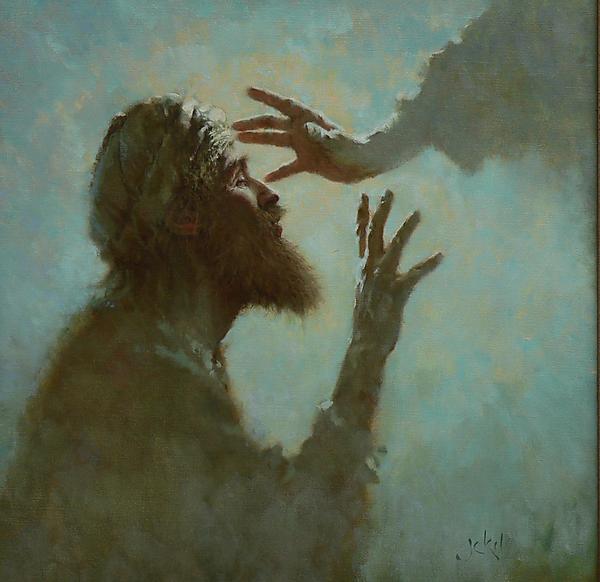
I cannot wait to share this next bit with you. It’s recently become my absolute favourite story in the Bible. It’s found in John chapter 9 and it starts off kind of weird. Jesus spits on the ground, makes mud with the dirt and saliva, rubs it onto the eyes of a man born blind, and after telling him to wash off the mud, the man’s sight is fully restored. A miracle!

Not to gloss over the miracle of sight, but what happens next is my favourite part.

What should have been a beautifully redemptive moment of healing, turns into a scandalous controversy.

Here’s why:

  • Jesus healed on the Sabbath
  • This was problematic because Jesus lived during a time when religious leaders had added to Mosaic law regarding what was permissible during the Sabbath.
  • What was supposed to be a day of rest, and opportunity to connect with God more deeply, had been twisted into a heavy burden of trying to avoid breaking all the countless rules that had been added to the sacred day.
  • So instead of worshiping God for this miraculous healing, the Pharisees berate the man and demand answers regarding Jesus.

Before we go on, let’s help this hit closer to home.

Maybe YOU’VE encountered Jesus. Maybe God has worked miraculously in YOUR life. Maybe it wasn’t a physical miracle, but maybe He healed something deep inside you that no one and nothing had been able to fix.

And before you can even make sense of what’s happened, doubt creeps in (whether from outside or in), causing you to question everything.

Well going back to our Sabbath healing…

  • The man born blind won’t have it.
  • He’s annoyed at their questions, and even mocks their constant probing!

 “Look!” the man exclaimed. “I told you once. Didn’t you listen? Why do you want to hear it again? Do you want to become his disciples, too?”

– John 9:27
  • The man likely knew that the Pharisees had no interest in becoming followers of Jesus.
  • And perhaps you too are surrounded by similar probing questions coming from insincere hearts.
  • Here is what I love most about the man’s response and what I hope to communicate today…

The Message and The Passion translations are my favourite versions of my favourite verse in the whole story, so I’m including them both.

He replied, “I know nothing about that one way or the other. But I know one thing for sure: I was blind . . . I now see.”

– John 9:25 MSG

The healed man replied, “I have no idea what kind of man He is. All I know is that I was blind and now I can see for the first time in my life!”

– John 9:25 TPT

Friends, so much of what I believe is, in fact, outside my realm of knowledge despite how much I love to learn and study and expand my brain. I know we’re not all built that way and we all grow differently.

But here’s the truth of it for me:

I don’t know everything about Jesus.

All I know with certainty, is what I’ve experienced.

  • I was blind, and now I see.
  • I was lost, and now I’m found.
  • I was walking in darkness, and I’ve seen a Great Light.
  • I was dead, and now I’m alive.

Maybe reading/ listening to this had you assuming I somehow had answers beyond that… I don’t always. And I’m ok with that. There’s just so much beyond my realm of knowledge. The more I learn, the more I realize I don’t know.

But knowing His love and what He’s done is enough. And I’ll continue to pursue knowing Him as long as I have eyes to see, ears to hear, and breath in my lungs.

What’s in the Ears

Steffany Gretzinger is a great artist for more stripped down, vocal-focused worship. This is from her new album with throwback songs from the 90s but with her own take on them. The song Knowing You couldn’t be more perfectly paired with the theme of this post.

There will always be some aspect of faith that is beyond our realms of knowledge. But may that push us to dig deeper, instead of becoming cynics or giving up altogether.
I’d love to know your thoughts on this in the comments, send me a message, and share with a friend too!

Podcast version available on Apple Podcasts, Spotify, and Anchor!